
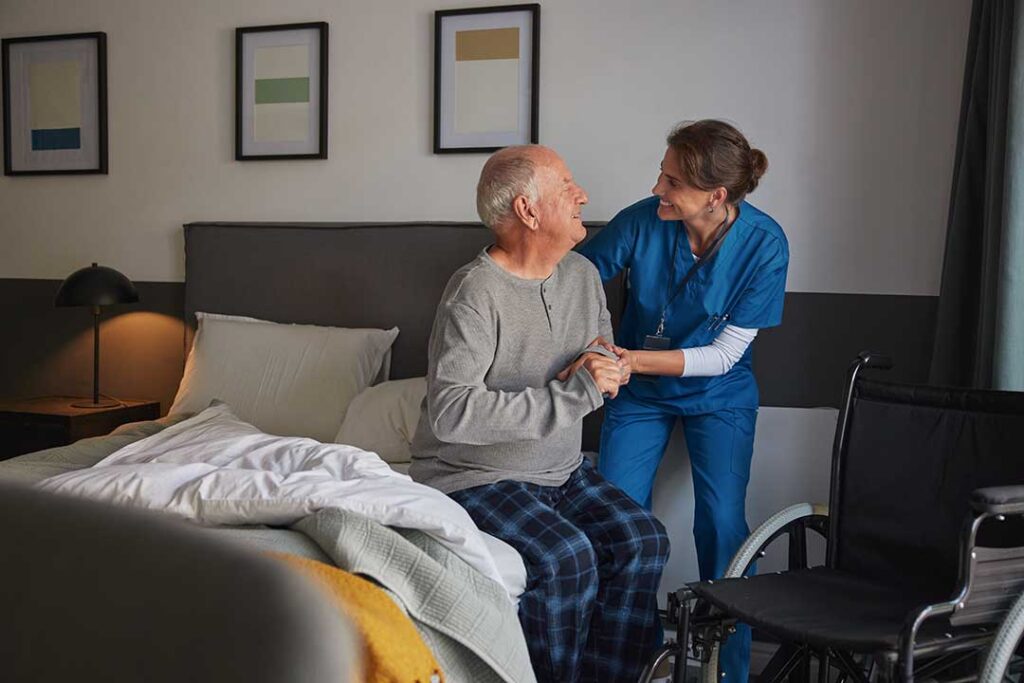
How Do Assisted Living Communities Promote Movement and Physical Activity?
Assisted living settings in Shamokin, PA are structured to encourage residents to remain physically active in ways that fit their abilities and interests. Residents can participate in regular walking groups, stretching classes, or adapted exercise programs that take into account mobility or health needs. Indoor common areas and accessible outdoor spaces are typically designed for easy, safe movement—important during the cold or icy seasons in the region.
Residents might choose from:
- Daily chair yoga or gentle stretching
- Group walks on paved, maintained paths
- Light resistance or balance classes led by staff
- Gardening in raised beds during warmer months
Participation is always voluntary, allowing individuals to set their own comfort level. Incorporating movement into everyday routines—such as joining friends for short walks or pitching in with simple chores—helps make activity a regular, social experience.
How Does Assisted Living Foster Social Connections?
Social engagement is a critical part of staying active. Residents of assisted living in Shamokin can enjoy a calendar of structured and informal activities. Group meals, game nights, book clubs, and volunteer opportunities offer reasons to connect beyond the typical household.
Common social activities include:
- Card games and bingo to support memory and interaction
- Craft sessions or art groups for creativity and fine-motor coordination
- Inter-generational programs that connect seniors with local students or volunteers
The design of communal spaces—activity rooms, lounges, and safe porches—encourages residents to linger and interact. This daily socialization helps to reduce isolation, support mood, and motivate continued participation in both movement and hobbies.
What Opportunities Exist for Learning and Hobbies?
Pursuing lifelong learning is supported in many assisted living residences. Access to educational talks, resident-led discussions, and organized lessons helps community members find new interests or rediscover old ones. Many residents engage in familiar hobbies such as knitting, puzzles, birdwatching, or music, while others take up new interests in response to offerings from staff.
In Shamokin, many residents find enjoyment in local history clubs, nature study groups, or arts workshops that reflect community culture and seasonal interests.
Can Residents Take Part in Community Life Beyond the Residence?
Staying active sometimes means looking outside the assisted living setting. Residents often join local events, attend church services, or participate in seasonal parks and recreation programs as they wish. Transportation support, when available, makes it easier for those who no longer drive to stay engaged in the broader community.
Common outings may include:
- Trips to local museums or farmers markets
- Picnics at nearby parks
- Visits to holiday festivals or craft fairs

These activities provide a sense of belonging to the city beyond the assisted living grounds and can help residents stay mentally and emotionally connected to their roots.
How Is Activity Adapted for Changing Needs?
Not everyone arrives at an assisted living residence with the same level of mobility or energy, and these needs can change over time. Staff are typically trained to match activity options to individual abilities—whether by providing assistive devices, modifying program difficulty, or offering resting spots.
Adaptations might include:
- Seated exercises for those with limited standing ability
- Visual or auditory cues for hearing or sight impairment
- Adjusted schedules to support energy levels or medication routines
This flexibility allows participation to continue in meaningful ways, even as residents’ circumstances evolve.
What Misconceptions Might Residents Have About Active Living in Assisted Settings?
A common concern is that assisted living means a loss of independence or that daily life will become overly structured. Most settings in Shamokin are designed to offer choice, respect autonomy, and encourage self-direction. Residents choose their own activities and participate at their own pace. Staff roles are supportive—encouraging, not pushing—and residents can opt out of any group or program that does not interest them.
Another misconception is that winters or inclement weather limit opportunities for movement. While outdoor activity may become more limited, indoor options are thoughtfully planned to keep routines flexible even on colder days. Large, accessible indoor areas allow for walking, group fitness, or social hobbies year-round.
Why Is Maintaining an Active Lifestyle Important for Residents?
Scientific studies show that regular physical and social engagement can help preserve strength, balance, mental sharpness, and emotional wellbeing in older adults. Residents who participate in structured activity and build community ties often experience improved mood, increased confidence, and fewer hospitalizations due to falls or preventable health issues.
For area households considering assisted living, understanding these benefits can help clarify that such settings are designed to support—not restrict—active and fulfilling daily living.
