
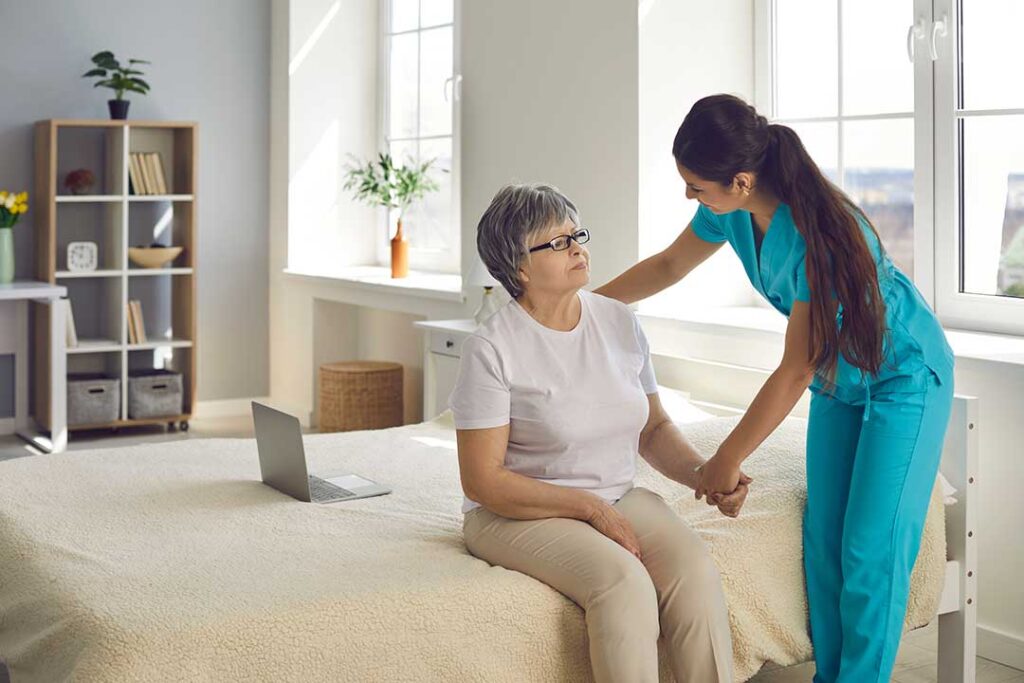
Moving into assisted living often involves more than arranging furniture. A familiar room can support comfort, independence, orientation, and emotional well-being. Personalizing an apartment helps preserve daily routines and personal identity while adapting to a smaller, safer living space.
What can residents bring into an assisted living apartment?
Residents can usually bring familiar furniture, photographs, artwork, bedding, books, small appliances approved by the community, and meaningful personal items. The exact rules vary, so measurements, fire-safety requirements, and electrical guidelines should be reviewed before moving day.
A practical starting point is to separate belongings into three groups:
- Items used every day
- Items that provide comfort or memories
- Items that are rarely used or create clutter
The apartment should support the resident’s current needs rather than recreate an entire former home. A favorite chair, familiar lamp, quilt, radio, or small collection may provide more comfort than several boxes of decorations.
Before moving furniture, measure the room, doorway, closet, and bathroom entrance. Account for walkers, wheelchairs, oxygen equipment, or another mobility aid if applicable. A piece that fits physically may still make it difficult to turn, reach the bed, or move safely at night.
How can personal belongings improve comfort and orientation?
Familiar objects can make a new setting easier to understand. A resident who has memory loss may benefit from recognizable photographs, a clearly visible clock, or a simple display of personal items near the apartment entrance.
Useful orientation cues may include:
- A large, easy-to-read name sign or family photograph, if permitted
- A brightly colored or distinctive door decoration
- A consistent place for keys, glasses, and personal items
- A calendar showing appointments, visits, and activities
- A clock with large numbers and a clear day or night display
Personalization should remain simple enough to avoid confusion. Too many objects, changing decorations, or crowded surfaces can make it harder to find important belongings. A few meaningful cues are often more helpful than a heavily decorated room.
Photographs can be labeled with names and relationships. This may help visitors, caregivers, and residents connect with family memories. Items should not be placed where they block exits, cover safety equipment, or create a tripping hazard.
How should furniture be arranged for safety and independence?
Furniture should support the resident’s normal movements. The clearest walking route should extend from the bed to the bathroom and from the apartment entrance to the main seating area.
Place frequently used items within easy reach. This may include:
- A lamp switch or touch light beside the bed
- A telephone or approved communication device near the chair
- Clothing at waist or shoulder height
- A stable table for beverages, books, and glasses
- A basket or tray for frequently misplaced items
Avoid loose rugs, narrow pathways, unstable tables, and furniture with sharp corners in high-traffic areas. Extension cords should not cross walking paths. Small stools, decorative baskets, and low footrests can become hazards even when they appear harmless.
A favorite recliner may be comfortable, but it should not prevent a walker from passing through the room. If a resident uses a wheelchair, allow enough turning space near the bed, bathroom, closet, and entrance. Staff may be able to explain required clearances before furniture is delivered.
What personal touches work well in a smaller apartment?
Personal touches should reflect the resident’s history, interests, and habits. Someone who enjoyed gardening might display a few low-maintenance plants if allowed. A former reader may appreciate a small bookshelf, a reading lamp, and a comfortable chair positioned near natural light.
Other possibilities include:
- A framed family recipe or handwritten note
- Favorite artwork or local landscape prints
- A small sewing, music, or craft display
- A familiar bedspread or set of curtains approved for the space
- Seasonal decorations used in moderation
- A memory box containing letters, postcards, or keepsakes
For residents of Shamokin, seasonal changes may influence how an apartment feels throughout the year. Cold winters, damp weather, and shorter daylight hours can make warm lighting, comfortable layers, and easy access to sweaters or blankets especially useful. During warmer months, lightweight bedding and a fan approved by the residence may improve comfort.
Natural light is helpful, but window areas should remain accessible and free of clutter. Residents who are sensitive to glare may need adjustable shades or furniture positioned away from direct afternoon sunlight.
How can technology be included without making the room complicated?
Technology can help residents stay connected, listen to music, view photographs, or maintain familiar routines. The most useful devices are usually those the resident already understands.
Consider keeping controls simple:
- Use large labels on remote controls.
- Store chargers in one consistent location.
- Use a tablet or phone stand if holding a device is difficult.
- Keep volume at a level that does not interfere with sleep or communication.
- Ask about approved wireless devices and electrical limits.

A family member may be able to set up a digital photo frame or simplified tablet, but the resident should be able to use it without constant assistance. If a device creates frustration, it may be less helpful than a traditional photo album, clock, radio, or printed calendar.
Privacy and safety also matter. Personal emergency devices, medication reminders, or monitoring equipment should be used only according to the resident’s care plan and applicable rules.
What should families avoid bringing?
Families sometimes bring too much too quickly. Crowding the apartment can make it difficult to identify what the resident actually enjoys and may create safety problems.
Avoid bringing:
- Fragile valuables that could be damaged or misplaced
- Important legal documents unless they are properly secured
- Large quantities of clothing or duplicate toiletries
- Candles, heating devices, or cooking equipment that are not approved
- Unsecured furniture that could tip
- Items with strong scents if the resident or neighbors are sensitive
- Plants that require frequent care if no one is responsible for them
Valuable jewelry, cash, family heirlooms, and sentimental items may require special consideration. A photograph or high-quality copy can sometimes preserve the memory without creating worry about loss.
Label clothing, glasses cases, mobility equipment, and commonly misplaced belongings according to the residence’s procedures. Labels are especially useful when laundry services or shared activity spaces are involved.
How can the apartment reflect changing needs?
Personalization is not a one-time project. A room may need to change as the resident’s mobility, vision, hearing, memory, or sleep patterns change.
Review the apartment after the first few weeks. Ask:
- Can the resident reach the items used most often?
- Is the path to the bathroom clear at night?
- Does the lighting support reading and safe movement?
- Are reminders visible without creating confusion?
- Does the furniture still fit the resident’s abilities?
- Are personal items encouraging conversation and comfort?
A resident may initially prefer a familiar arrangement but later need a clearer path or fewer objects. Changes should be explained respectfully, with the resident involved whenever possible. Preserving choice remains part of personalization, even when safety adjustments are necessary.
Can a small apartment still feel personal?
Yes. A meaningful assisted living apartment does not need to contain everything from a former house. It needs to contain the right reminders of the resident’s life, arranged in a way that supports comfort, safety, and daily independence.
A familiar chair, a family photograph, a preferred blanket, recognizable music, and an uncluttered routine may do more than extensive decorating. The goal is a space that feels understandable and lived-in while allowing the resident to move through each day with as much confidence and control as possible.
