
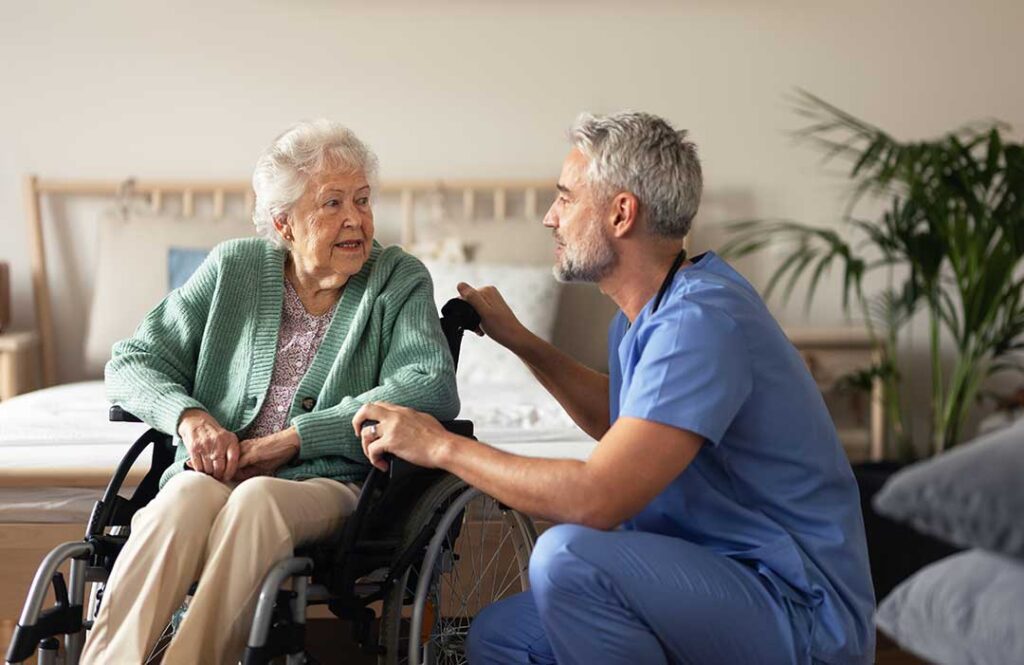
Emergencies can strike at any time, and for seniors residing in assisted living communities, having robust emergency protocols is essential for safety and peace of mind. In Shamokin, Pennsylvania—a close-knit community with a proud heritage of caring for family—the topic of emergency readiness in assisted living is a vital concern for residents and their loved ones. Whether it’s a sudden medical issue, severe winter storm, or unexpected power outage, assisted living facilities in Shamokin are well-equipped to handle a variety of emergency situations. Here’s a detailed look at how they do it.
Understanding Emergencies in Assisted Living
Assisted living communities are designed to provide a safe and supportive environment for seniors who may need assistance with daily activities but want to maintain their independence. However, emergencies—ranging from falls and health crises to fires and weather events—can occur at any time. In Shamokin, local geography and seasonal weather patterns, like heavy snowfall and cold snaps, make emergency preparedness especially important.
Comprehensive Emergency Plans
One of the foundational elements of safety in assisted living is a comprehensive emergency preparedness plan. State regulations in Pennsylvania require that every assisted living residence have a written emergency plan tailored to local risks and resident needs. These plans cover:
- Evacuation procedures for fires or building hazards
- Shelter-in-place protocols for storms or extended power outages
- Clear staff roles and responsibilities during emergencies
- Communication plans to notify families and local authorities
Assisted living staff in Shamokin routinely review and update these emergency plans, ensuring they cover the unique needs of their residents and reflect the region’s most common threats.
Staff Training: Ready for the Unexpected
Staff members are central to successful emergency response in assisted living. In Shamokin, caregivers and support staff receive ongoing training, which includes:
- CPR and first aid certification
- Use of emergency medical equipment like defibrillators
- Monthly emergency drills for fire, severe weather, and evacuation
- Special training for memory care residents who may need additional support during emergencies
Training often involves scenarios specific to Northeast Pennsylvania, such as dealing with snow and ice or handling local power grid issues.
Medical Emergencies and Immediate Response
For residents with medical conditions, timely emergency response is crucial. Assisted living communities in Shamokin implement procedures to identify and respond to common medical emergencies, such as falls, strokes, and cardiac events. Features include:
- On-site emergency alert systems—pull cords, wearable pendants, and room sensors
- Rapid response protocols for contacting emergency medical services (EMS)
- Close coordination with Geisinger Shamokin Area Community Hospital and local ambulance services
- Keeping emergency medical information easily accessible for all residents
A focus on communication ensures that families are notified promptly if a loved one experiences a medical emergency.
Severe Weather and Power Outages
Due to its location in the Susquehanna River Valley, Shamokin is no stranger to harsh winter storms and occasional flooding. Assisted living communities prepare extensively for these hazards by:
- Having backup power generators to maintain heat and lighting during outages
- Stockpiling emergency food, water, and medicine
- Pre-arranged transportation in case an evacuation becomes necessary
- Partnering with local emergency management agencies for real-time updates and resources
Frequent drills and communication with families ensure everyone knows what to expect when storms threaten.
Fire Prevention and Response
Fire safety is a top priority for assisted living facilities in Pennsylvania. In Shamokin, fire departments often collaborate with local assisted living homes to provide safety checks and training. Fire preparedness includes:
- Regularly tested smoke detectors and sprinkler systems
- Clear, accessible evacuation routes
- Frequent fire drills for both staff and residents
- Designated safe areas outside the building
Residents receive education about fire safety, ensuring they know what to do in case of alarm.
Clear Communication with Families

One of the strengths of life in Shamokin is the community’s emphasis on family connections. Assisted living providers recognize how important it is to keep families informed, particularly during emergencies. Most local facilities offer:
- Automated phone or text alerts to family contacts
- Dedicated staff liaisons for emergency updates
- Access to online resident portals with real-time information
This transparency helps to keep family members reassured and well-informed, no matter where they are.
Collaboration with Local Emergency Services
Assisted living communities in Shamokin maintain close ties with the region’s fire departments, law enforcement, and emergency medical teams. This partnership ensures:
- Faster response times during emergencies
- Regular safety audits and facility inspections by local authorities
- Shared training events to practice joint response efforts
- Inclusion in countywide emergency management initiatives
Such collaboration is especially valuable in small communities like Shamokin, where everyone knows each other and works together in times of need.
Building a Culture of Preparedness
Emergency preparedness isn’t just about having a plan—it’s also about culture. Assisted living providers in Shamokin cultivate a proactive, safety-conscious environment where residents and staff alike are encouraged to be vigilant and engaged. Residents are invited to participate in safety meetings, learn about personal emergency preparedness, and provide feedback on emergency procedures.
Family members are also encouraged to ask questions, attend information sessions, and stay involved in planning efforts, helping to ensure that their loved ones remain safe and secure.
What Families Should Look For
If you're considering assisted living in Shamokin for yourself or a loved one, here are some questions you might ask:
- Does the facility have a written emergency preparedness plan?
- How often is staff trained on emergency procedures?
- What systems are in place for medical emergencies, fire, and weather events?
- How does the community communicate with families during an emergency?
- What partnerships exist with local emergency responders?
By choosing a facility with a strong record of preparedness and open communication, you can trust that your loved one will be safe, even when the unexpected happens.
Conclusion
Emergencies are a reality of life, but with careful planning, ongoing training, and the strength of a united community, assisted living homes in Shamokin, Pennsylvania, offer residents and their families true peace of mind. The focus on preparedness helps these communities stand ready to handle whatever challenges may come—day or night, rain or shine.
