
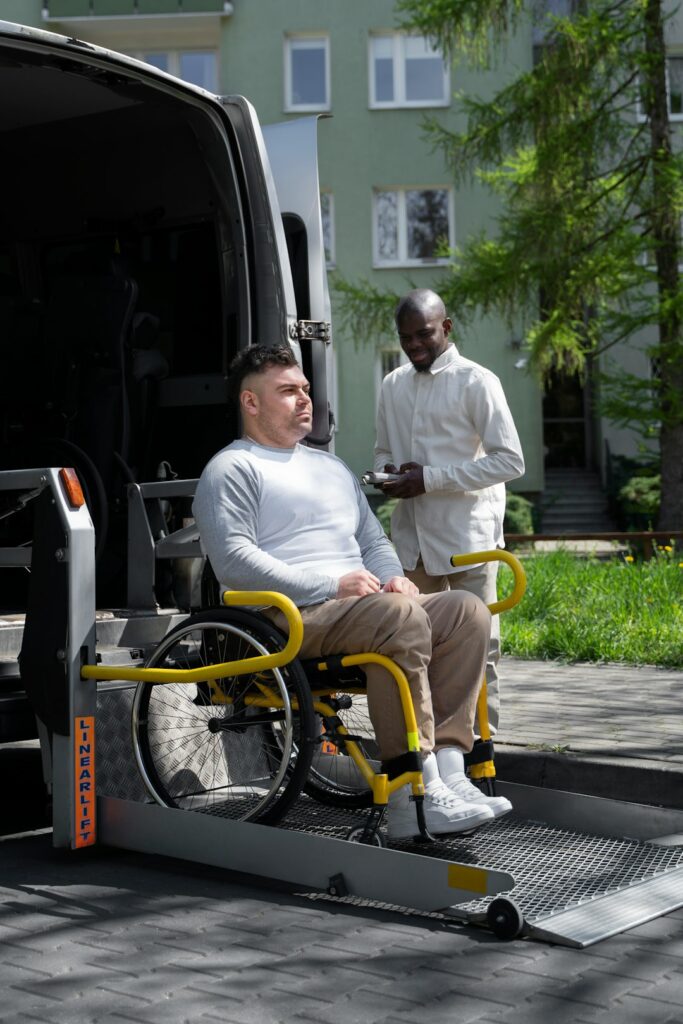
Transportation is a practical part of daily life in assisted living. A dependable ride may be needed for medical appointments, therapy, personal errands, social activities, family visits, or religious services. For residents and families in Shamokin, PA, transportation planning should address more than whether a vehicle is available. The service also needs to match the resident’s mobility, health, schedule, and level of supervision.
What transportation services are commonly available in assisted living?
Assisted living transportation usually includes scheduled rides arranged by the residence, shared-ride public transportation, family transportation, and other accessible community options. The right choice depends on the purpose of the trip and the resident’s physical and cognitive needs.
A residence may provide transportation using a van, bus, or other vehicle for:
- Medical and dental appointments
- Physical, occupational, or speech therapy
- Shopping and personal errands
- Community activities and outings
- Banking, voting, or religious services
- Visits with family and friends
Some rides are included in the regular monthly agreement, while others may have additional fees or scheduling limits. Transportation policies should be reviewed before moving in, rather than assumed to be available whenever needed.
How far in advance should a ride be scheduled?
Most assisted living transportation is scheduled in advance, often according to a weekly calendar or a set number of transportation days. Medical appointments may receive priority, but residents should still provide notice as early as possible.
A useful transportation policy should explain:
- How many days of advance notice are required
- Which days and times vehicles operate
- Whether evening or weekend rides are available
- How cancellations are handled
- Whether waiting time is included
- How far the residence will travel
- Whether a family member or escort may ride along
- Whether the resident must be ready at the building entrance
Pennsylvania rules for assisted living residences address transportation arranged for medical and social appointments. A residence must make reasonable efforts to pick up a resident close to the scheduled time and should not leave the resident at an appointment excessively early. Pickup after an appointment is also expected within a reasonable period.
These standards do not mean every ride will occur at an exact minute. Traffic, weather, appointment delays, and multiple passengers can affect timing. Residents should ask how delays are communicated and what happens if an appointment ends earlier or later than expected.
What should residents ask about accessibility?
A vehicle that can transport a wheelchair is not necessarily appropriate for every wheelchair user. Accessibility depends on the type of chair, whether the resident can transfer to a seat, the height of the vehicle step, and how much assistance is available.
Before scheduling a ride, clarify whether the vehicle can accommodate:
- A manual or power wheelchair
- A walker, cane, or other mobility aid
- A resident who cannot climb steps
- A passenger who needs a seat belt or positioning support
- Oxygen equipment or other portable medical equipment
- A companion or required escort
Residents who use wheelchairs should ask whether the chair can remain secured during travel or whether a transfer is required. A family member may also need to confirm that the destination has an accessible entrance, elevator, curb ramp, or drop-off area.
The vehicle is only one part of safe transportation. Sidewalk conditions, snow, ice, poor lighting, and uneven pavement can create risks between the entrance and the vehicle. Seasonal conditions deserve particular attention in the area, especially when a resident has balance problems or limited strength.
Can residents use public or shared-ride transportation?
Yes. Pennsylvania has shared-ride transportation programs for older adults and people with disabilities. These services are generally scheduled in advance, may be curb-to-curb, and may use vehicles designed for passengers with mobility devices.
Adults age 65 and older may qualify for reduced-cost shared-ride service. The standard senior program generally requires enrollment, proof of age, and advance trip reservations. The rider typically pays a portion of the fare, while public funding covers the remaining eligible amount.
Residents with disabilities may qualify for other reduced-fare transportation programs. People receiving Medical Assistance may also have access to non-emergency transportation for covered medical services when they have an unmet transportation need.
Shared-ride service is different from a private car. The vehicle may pick up several passengers, take a less direct route, and arrive within a scheduled window rather than at an exact time. It can be useful for planned appointments and errands, but it may not be suitable for an urgent trip or a resident who needs continuous one-to-one supervision.
Who is responsible for the resident during a trip?

Transportation responsibilities should be clear before the ride begins. A driver may be responsible for operating the vehicle and helping with limited boarding assistance, but not for providing medical care, managing medications, or supervising a resident throughout an appointment.
Ask whether staff:
- Walk residents from the building to the vehicle
- Help with seat belts or mobility devices
- Enter the medical office with the resident
- Wait during the appointment
- Provide reminders about return times
- Handle paperwork or communication with the destination
A resident with dementia, significant hearing loss, vision impairment, or a history of wandering may need an escort. The transportation schedule alone may not provide the level of supervision required.
For safety, vehicles owned or regularly used by an assisted living residence should have appropriate registration, insurance, inspection, and driver documentation. Residents and families may reasonably ask how drivers are trained to assist older adults and what procedures are followed during an accident, medical event, or severe weather delay.
How does transportation affect medical appointments?
Transportation should be coordinated with the full appointment schedule, not just the departure time. A resident may need extra time to dress, use the restroom, collect paperwork, or reach the vehicle safely.
For medical visits, keep the following information together:
- Appointment date and time
- Destination address and entrance instructions
- Provider phone number
- Required identification or insurance cards
- Mobility equipment details
- Whether an escort is needed
- Expected appointment length
- Return-trip instructions
Residents should tell the transportation coordinator if a procedure may cause weakness, dizziness, sedation, or difficulty walking. A resident who receives sedation may not be safe traveling alone afterward and may need an approved escort.
What happens if weather disrupts transportation?
In the region’s winter conditions, snow, ice, freezing rain, and poor visibility can affect both scheduled rides and walking routes. Assisted living residences may delay, combine, or cancel nonessential transportation when road or parking-lot conditions are unsafe.
Residents should ask how weather decisions are communicated and how postponed appointments are handled. For important medical visits, it is helpful to confirm the ride the day before and identify a backup plan that does not depend on an unsafe walk or an unprepared vehicle.
A reliable transportation plan should protect independence while recognizing that safety, accessibility, and realistic timing matter just as much as having a vehicle available.
