
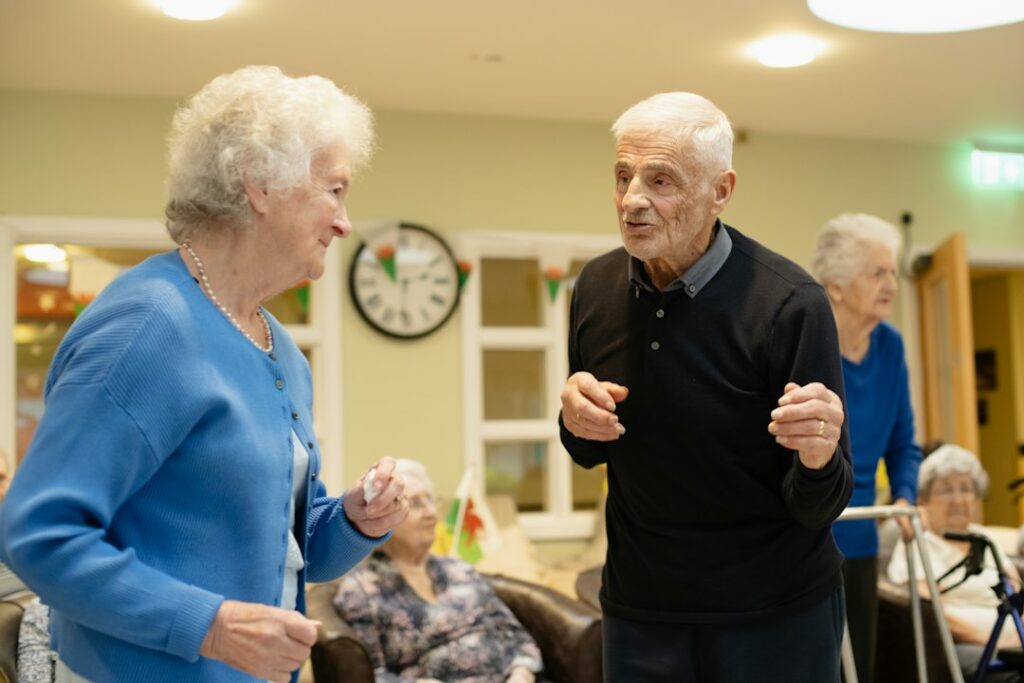
Healthy aging is not about avoiding every health problem or following a perfect routine. For assisted living residents, it usually means maintaining strength, independence, comfort, connection, and confidence while managing changing health needs. Daily habits, regular communication, and a safe living environment can support those goals.
What does healthy aging mean in assisted living?
Healthy aging means supporting the whole person: physical health, emotional well-being, cognitive function, safety, and social connection. Assisted living can make healthy routines easier by providing meals, activities, medication support, and help with daily tasks, but residents still benefit from taking an active role in their care.
A useful approach is to focus on manageable routines rather than major lifestyle changes. Examples include walking a little farther, choosing protein at meals, attending a social activity, drinking enough fluids, or keeping a regular sleep schedule.
Residents and families should also remember that abilities can change gradually. A new difficulty with dressing, walking, eating, hearing, or remembering appointments deserves attention rather than being dismissed as a normal part of aging.
How much physical activity should assisted living residents get?
Most residents benefit from regular movement, even if exercise must be adapted for arthritis, balance concerns, heart conditions, or limited mobility. Activity can help maintain muscle, improve balance, support sleep, and make everyday tasks easier.
Movement may include:
- Walking in a hallway or common area
- Seated exercises for the arms and legs
- Gentle stretching
- Light resistance exercises using bands or small weights
- Balance practice with appropriate support
- Gardening, dancing, or recreational activities
Short periods of activity can be useful. Five or ten minutes several times a day may be more realistic than a long exercise session. Residents who use walkers, canes, wheelchairs, or other mobility aids should use them as directed and avoid practicing unfamiliar exercises without guidance.
Winter weather in Shamokin can bring ice, snow, and slippery walkways. During those periods, indoor walking routes and seated exercise may be safer than outdoor activity. Footwear should fit securely and have soles that provide traction.
Chest pain, faintness, severe shortness of breath, sudden weakness, or unusual dizziness during activity requires immediate attention from staff or emergency services.
What should residents eat and drink?
A balanced eating pattern helps support energy, muscle maintenance, bowel regularity, immune function, and overall health. Meals do not need to be complicated. A practical plate usually includes vegetables or fruit, a protein food, and a whole-grain or other nourishing carbohydrate.
Protein is especially useful for preserving muscle. Common choices include eggs, yogurt, milk, fish, poultry, beans, lentils, tofu, and other fortified foods. Residents with chewing, swallowing, dental, or appetite concerns should tell staff rather than quietly skipping meals.
Hydration also deserves attention. Older adults may not always feel thirsty, even when the body needs fluids. Drinking water regularly and choosing foods such as soup, fruit, vegetables, and yogurt can help. A care team may recommend fluid limits for certain heart, kidney, or other medical conditions, so personal instructions should be followed.
A reduced appetite, unexplained weight loss, repeated coughing while eating, or difficulty swallowing should be reported promptly. These changes can increase the risk of weakness, dehydration, or choking.
How can residents reduce fall risk?
Falls are not an unavoidable part of aging. Risk often increases because of several factors working together, such as poor lighting, vision changes, unsafe footwear, weakness, dizziness, urgency to use the bathroom, or medications that cause drowsiness.
Helpful steps include:
- Keep frequently used items within easy reach.
- Use night-lights between the bedroom and bathroom.
- Wear shoes or slippers that fit well and stay securely on the feet.
- Rise slowly from a bed or chair.
- Use handrails and mobility aids consistently.
- Report loose rugs, clutter, wet floors, or poor lighting.
- Ask whether vision or hearing changes should be evaluated.
- Tell staff about falls, near-falls, or new unsteadiness.

A near-fall is useful information, even if no injury occurred. It may reveal a problem that can be corrected before a more serious fall happens.
How should residents manage medications?
Medication safety depends on accurate information and communication. Residents should know, in general terms, what each medication is for and when it is taken. Staff should be told about all prescription medications, over-the-counter products, vitamins, and herbal supplements.
Residents should not stop, share, crush, or change medications unless instructed to do so. New confusion, excessive sleepiness, constipation, dizziness, nausea, or a change in walking may sometimes be related to a medication and should be reported.
Medication reviews are particularly useful after a hospital stay, a new diagnosis, a fall, or a change in mood or alertness. Keeping an updated medication list can help prevent errors when different health care settings are involved.
Why are social activities part of healthy aging?
Social connection supports emotional health and can give structure and meaning to the day. Conversation, shared meals, games, music, faith practices, crafts, exercise groups, and visits from family or friends may all help residents feel engaged.
Participation should be based on personal interests, not pressure. Someone who dislikes large gatherings may prefer a quiet conversation, a small group, a phone call, or helping with a simple shared task.
Persistent sadness, loss of interest, unusual irritability, withdrawal, hopelessness, or major changes in sleep and appetite should not be treated as something a person simply has to accept. Mental health deserves the same attention as physical health.
How can residents support memory and thinking?
Mental activity does not have to involve difficult puzzles. Reading, telling stories, learning a song, organizing photographs, playing cards, discussing current events, and practicing familiar hobbies can all provide useful stimulation.
A regular daily routine may also help with orientation. Keeping a calendar visible, using a clock with large numbers, labeling personal items, and maintaining familiar arrangements can reduce unnecessary confusion.
Sudden confusion is different from gradual memory loss. New disorientation, hallucinations, extreme sleepiness, or a rapid change in behavior may signal an infection, medication problem, dehydration, or another urgent condition and should be reported promptly.
What sleep habits are helpful?
Most older adults need about seven to nine hours of sleep, although individual needs vary. Consistent sleep and wake times, a calming bedtime routine, comfortable room temperature, and regular daytime activity can help.
Late-day naps, caffeine in the evening, large meals close to bedtime, and excessive fluids late at night may interfere with rest. Repeated nighttime waking, loud snoring, nightmares, pain, or daytime sleepiness should be discussed with the care team.
Seasonal changes can affect routines. During darker winter months, maintaining daytime activity and exposure to safe natural light may help residents remain alert during the day and sleep more consistently at night.
What should residents discuss during health check-ins?
Residents should mention changes rather than waiting for the next major problem. Useful topics include pain, balance, appetite, bowel habits, sleep, mood, hearing, vision, dental concerns, and difficulty completing familiar tasks.
A simple personal health list can include current medications, allergies, emergency contacts, mobility needs, preferred activities, and questions for the care team. Clear communication helps staff notice trends and adjust support appropriately.
Healthy aging is best supported through steady habits, early reporting of changes, and care plans that respect each resident’s abilities, preferences, and goals.
